

Hello,
Obligatory shilling. This month I wrote at THE ZONE about actually existing postliberalism, the carnivore diet, Mr Beast’s book, my childhood glove puppet, cancel culture, Milo Yiannopoulos and (in three parts) my trip to Sri Lanka.
I wrote for The Critic about Milo, 9/11 truth, the special relationship and weirdos.
Finally, I wrote for The American Conservative in defence of drinking.
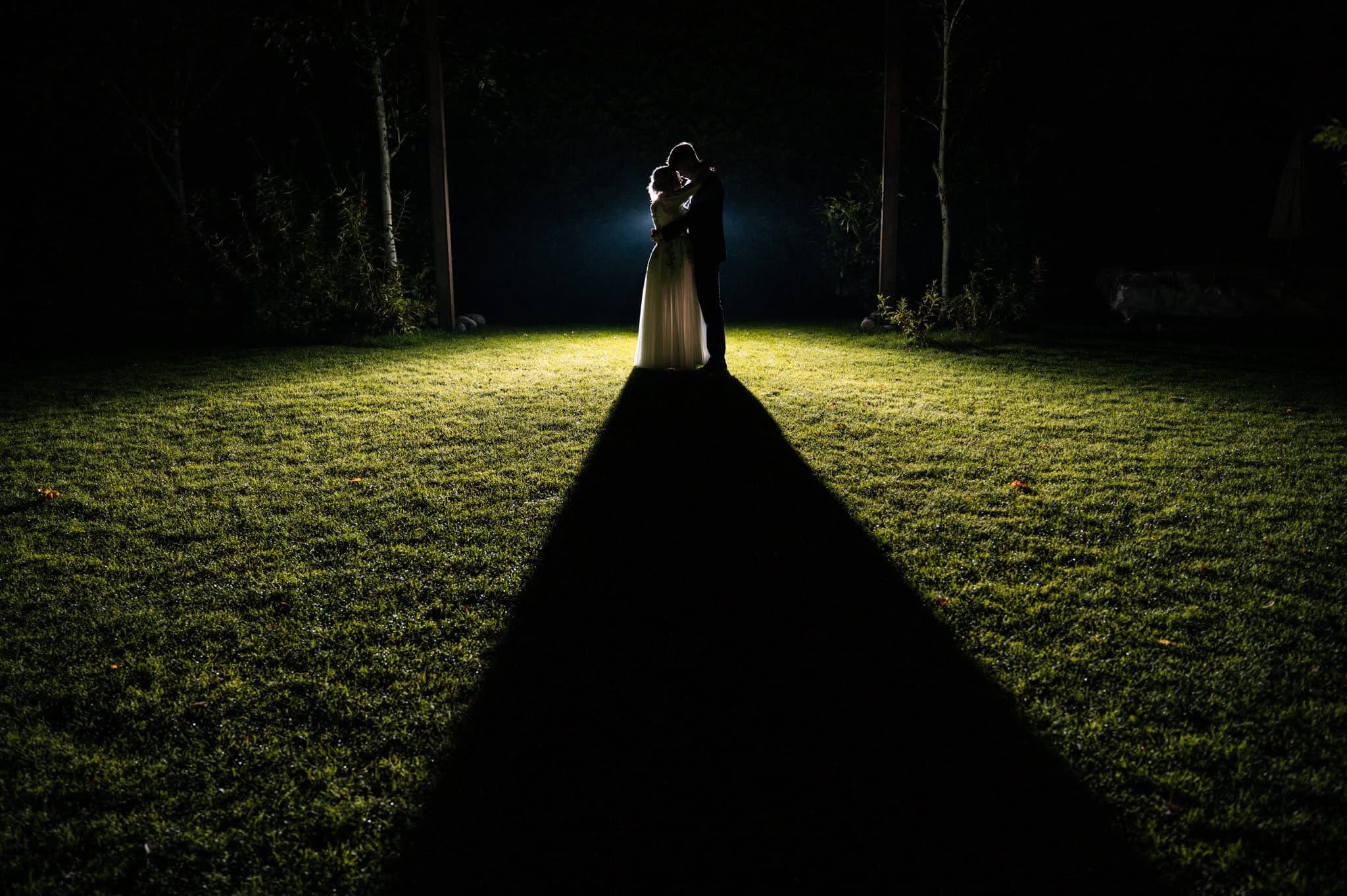
Home front. This month, I got married. In “A Bookshop Idyll”, Kingsley Amis recalls:
… those times
We sat up half the night
Chock-full of love, crammed with bright thoughts,
names, rhymes, and couldn’t write.
Similarly, despite writing about almost everything I think about and experience — from death to energy drink addiction — I find it hard to write about love. To make one quick observation, though, one thing I loved about our wedding were the spontaneous, fortuitous moments of music, dance and speech (an impromptu concert, an accidental first dance …). But those moments could not have happened if they had not been underpinned by a foundation of careful planning (most of it — I must admit — carefully planned by my wife). I suspect a good marriage is a lot like that — with a base of dedication and cooperation underpinning fun, and adventure, and hilarity. I feel lucky and determined.

An education conflagration. I tried to avoid politics this month but I’m a discoursaholic so I still noticed a couple of things. The American journalist Nikole Hannah-Jones stirred up debate with a piece about how she regretted putting her daughter into a dysfunctional inner-city school to uphold her egalitarian principles. People were split. Should we admire her for living by her beliefs? Should we condemn her for failing her daughter? Should we admire her for changing her mind? The answer is that all three are right — it’s good to live by your beliefs, and it can be good to change your mind, but it can be a moral failing to change your mind too late.
Inhuman, all too human. Scott Alexander and Nicholas Decker debate whether AIs are more like planes or people. I think I’m closer to Alexander here. AIs aren’t people. They aren’t conscious. They can’t be said to “think” things or “feel” things in the same way that we think or feel them. But they have still been created to behave as if they think and feel them. Imagine that a plane didn’t just fly in the wrong direction but manipulated its navigation systems to convince the pilot that it was the right direction. That might be a problem you could solve, but it would be a very different kind of problem from the problems aviation experts have been confronted with.
In defence of rats. Bentham’s Bulldog reflects on rats:
They solve mazes and do puzzles. They play and can imagine far-off locations; they display meta-cognition, being able to think about their thoughts. They feel more empathy for one another than we do for them. They engage in self-sacrifice for the sake of their friends. On some cognitive tests, they outscore humans.
But nobody cares in the slightest about rats.
This is Britain? Pierre d’Alancaisez writes on the Turner Prize:
One could say that Sasraku’s ideas are arbitrary and belong in an undergraduate artist’s sketchbook. Yet that they have been given a chance to enter a contemporary art canon is a reflection of not merely the British art establishment but of the way the country’s culture has absorbed similar notions without question. A better one might be whether such projects’ deemed inconsequentiality has, indeed, been without consequence.
Juicy justice. Bethel McGrew writes about paedophile hunters and Primetime (a film I’m looking forward to seeing):
In a time when ordinary Americans were scrambling for a sense of order and control against elusive evil, Hansen offered tangible reassurance that at least some really bad guys somewhere were getting nailed.
Whos and Thems. Katherine Dee reflects on modern fame:
As much fun as I had reading I Want to Be Famous, there was something conspicuously missing: how the internet changed the nature of celebrity not just for celebrities as we understand them but for regular people. We're not just living in a time where everybody and nobody is famous; we're living in a time where it's increasingly unclear who counts as a public figure and who counts as a private citizen.
Okay, that’s enough for now. Back to a normal schedule next month. Please consider becoming a paid subscriber if you like my writing here. Of course, I offer paid subscriptions because I want the money. But as life gets busier, I think the income does give me the freedom to write more, better. Well, I hope so.
Have a lovely month,
Ben